Overview
Overview
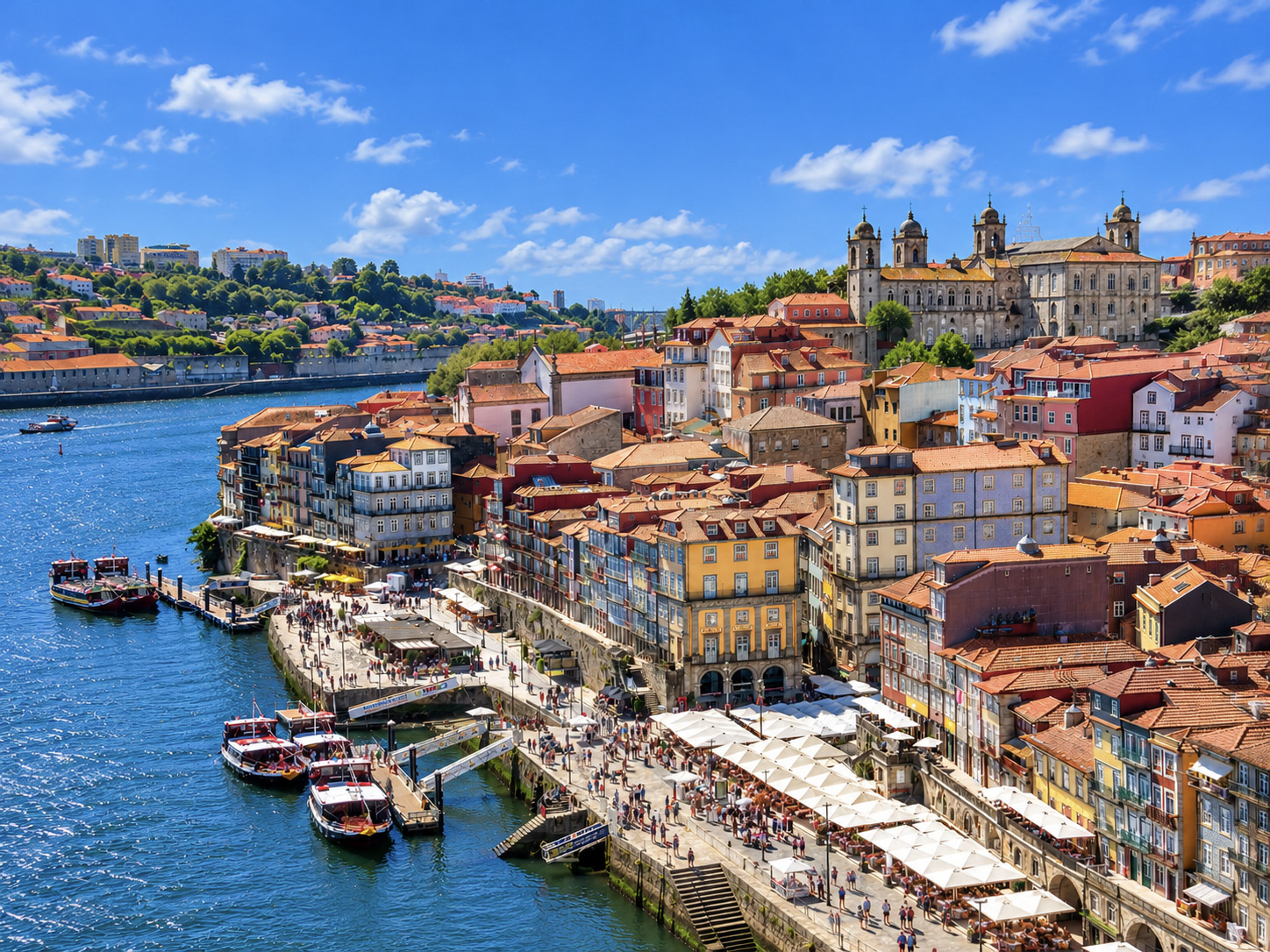
Our journey begins in Porto, Portugal's second-largest city, whose historic center is a UNESCO World Heritage Site. From its lively waterfront along the Douro River, we make our way toward the Atlantic coast and begin following the Camino Portugués da Costa northward toward Santiago de Compostela.
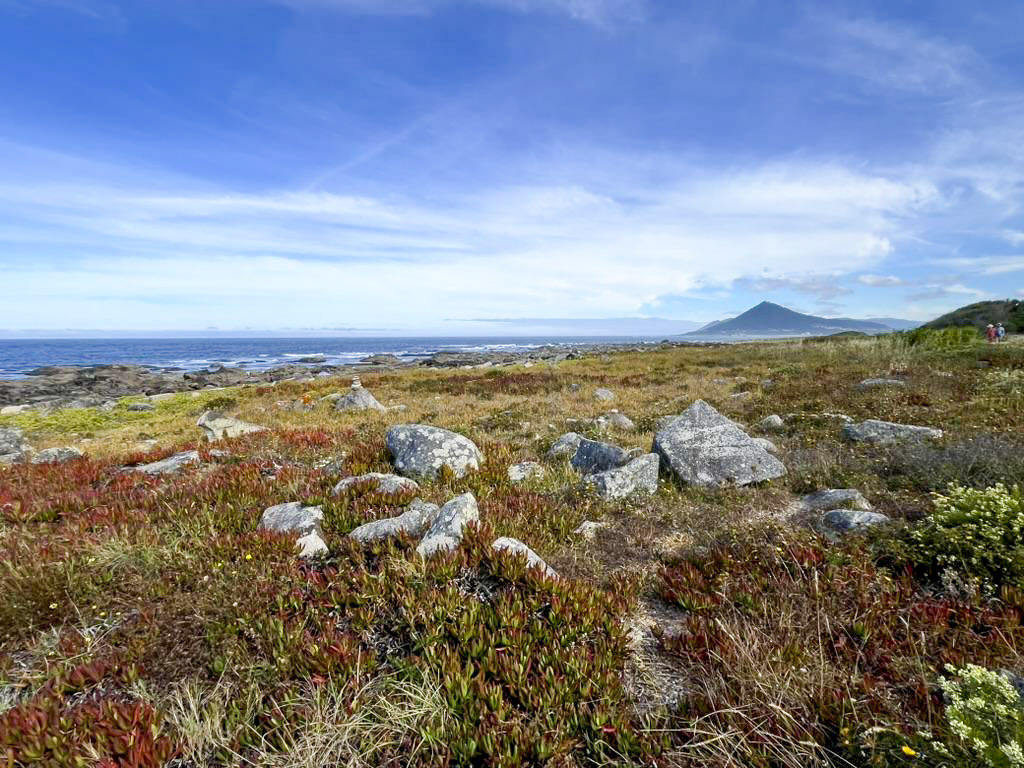
The Portuguese Coastal Camino offers a distinctive combination of seaside landscapes, fishing villages, historic towns, and quiet rural paths. Much of our route follows the Atlantic, where boardwalks cross coastal dunes and old fishing communities retain their connections to the sea. Along the way, we'll explore places shaped by Portugal's maritime history, sample regional foods, and discover churches and traditions associated with centuries of pilgrimage.
In northern Portugal, we'll explore the historic port of Viana do Castelo before continuing toward the Minho River, which marks the border with Spain. Crossing by boat into Galicia, we'll discover a landscape of wooded hills, stone-built villages, and distinctive local traditions. From coastal communities such as A Guarda and Baiona, our pilgrimage eventually turns inland toward Padrón and Santiago de Compostela.
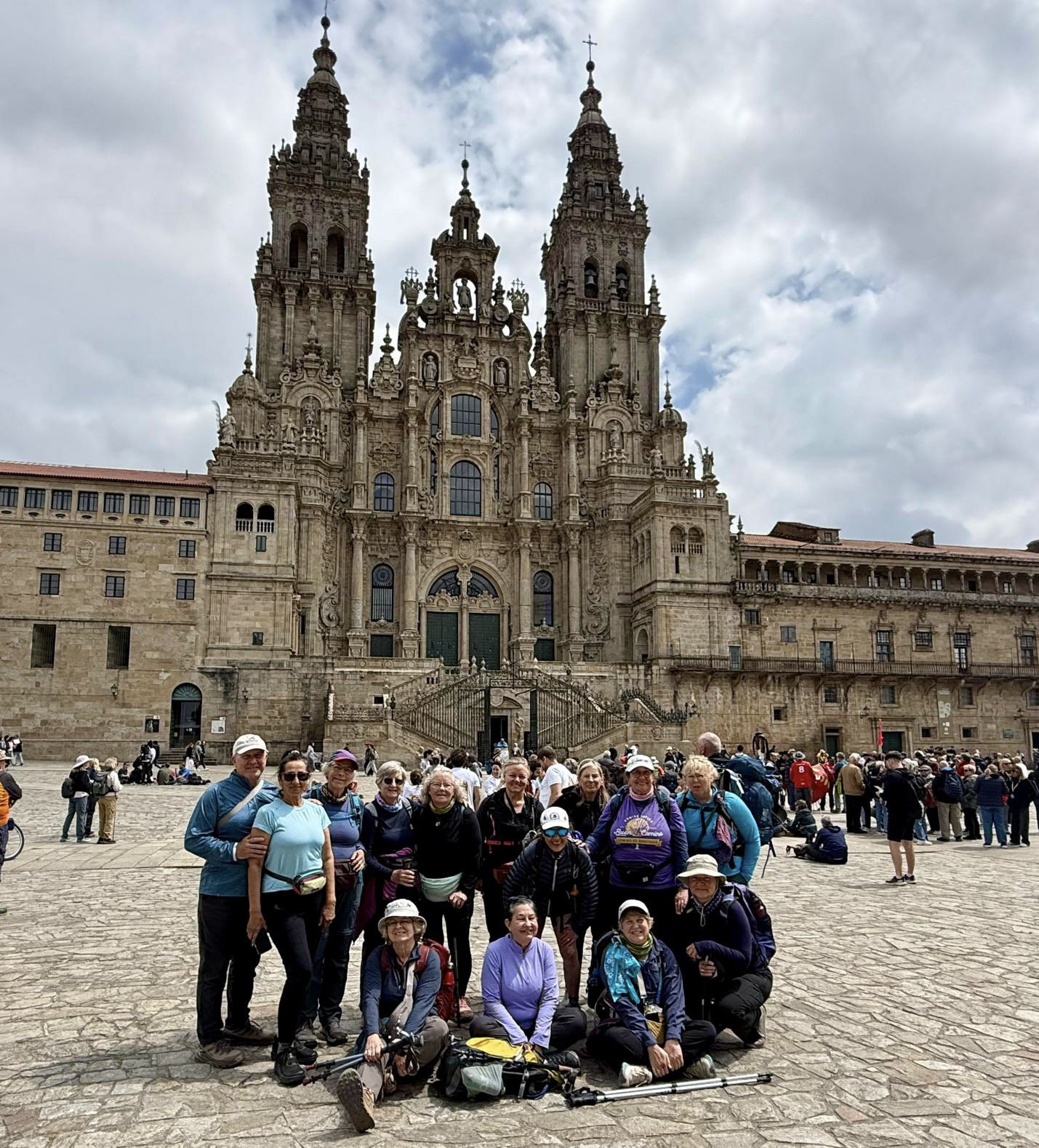
Our journey concludes in Santiago, where pilgrims have gathered for more than a thousand years at the cathedral traditionally associated with the tomb of St. James. Along the way, we'll be accompanied by Pilgrim Paths host Joyce DeToni-Hill, whose warmth and leadership have earned heartfelt praise. One recent pilgrim thanked Joyce for her "superb leadership," while another celebrated the "perspective, knowledge and JOY" she brought to the journey.
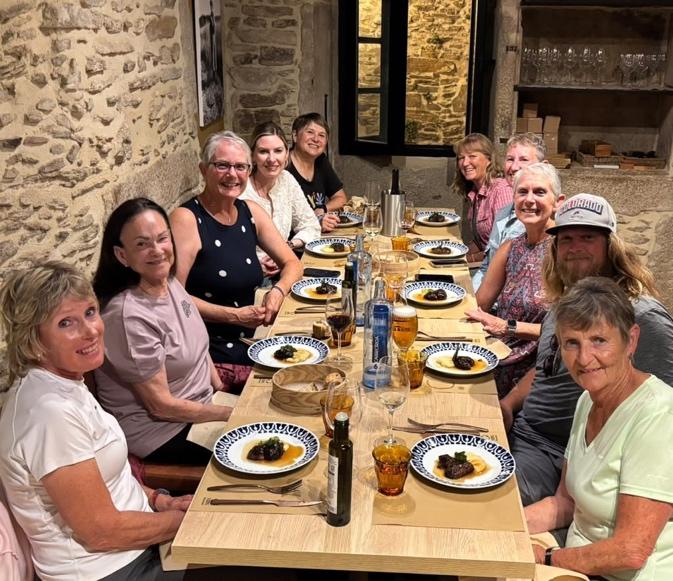
Throughout our pilgrimage, Joyce will help create the welcoming atmosphere that makes small-group travel so rewarding. Together we'll enjoy a balance of walking, cultural exploration, shared meals, new friendships, and time for personal reflection. Selected transfers and thoughtfully planned stages allow us to experience the varied landscapes and communities of the Coastal Camino at a comfortable pace.
Map of the route
Daily Itinerary
Thursday, April 29, 2027 - Arrive in Porto
Thursday, April 29, 2027 - Arrive in Porto
Description
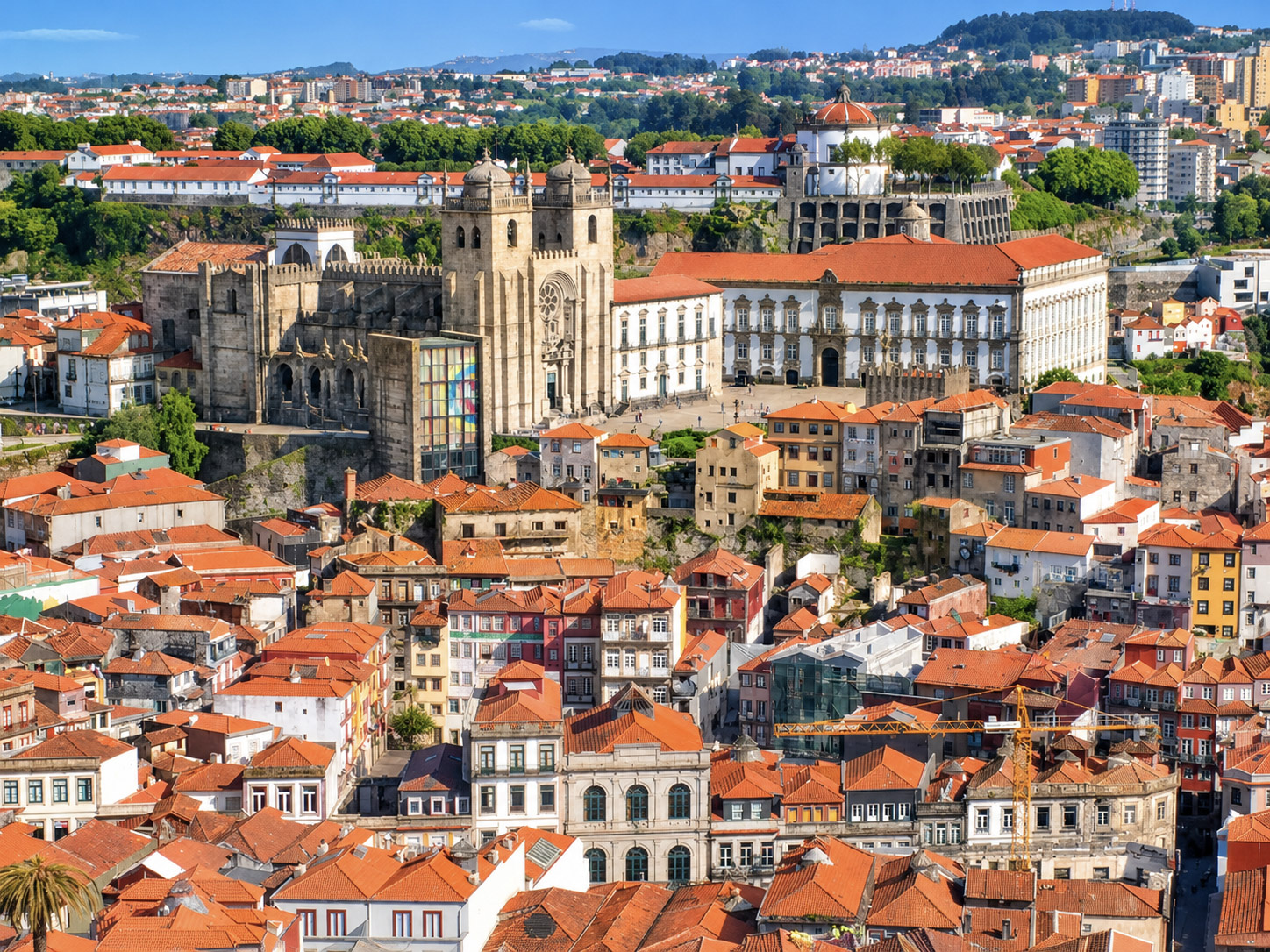
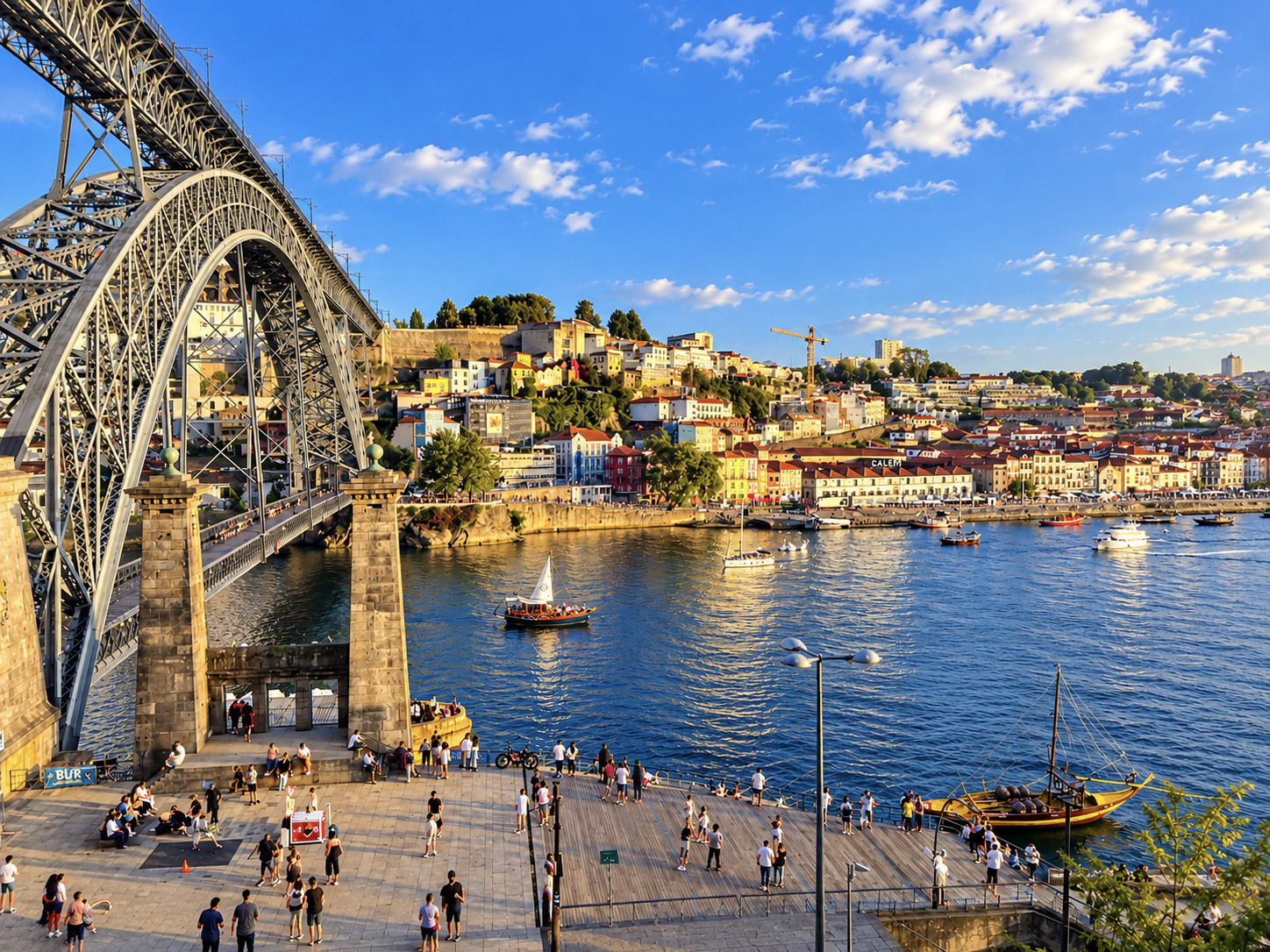
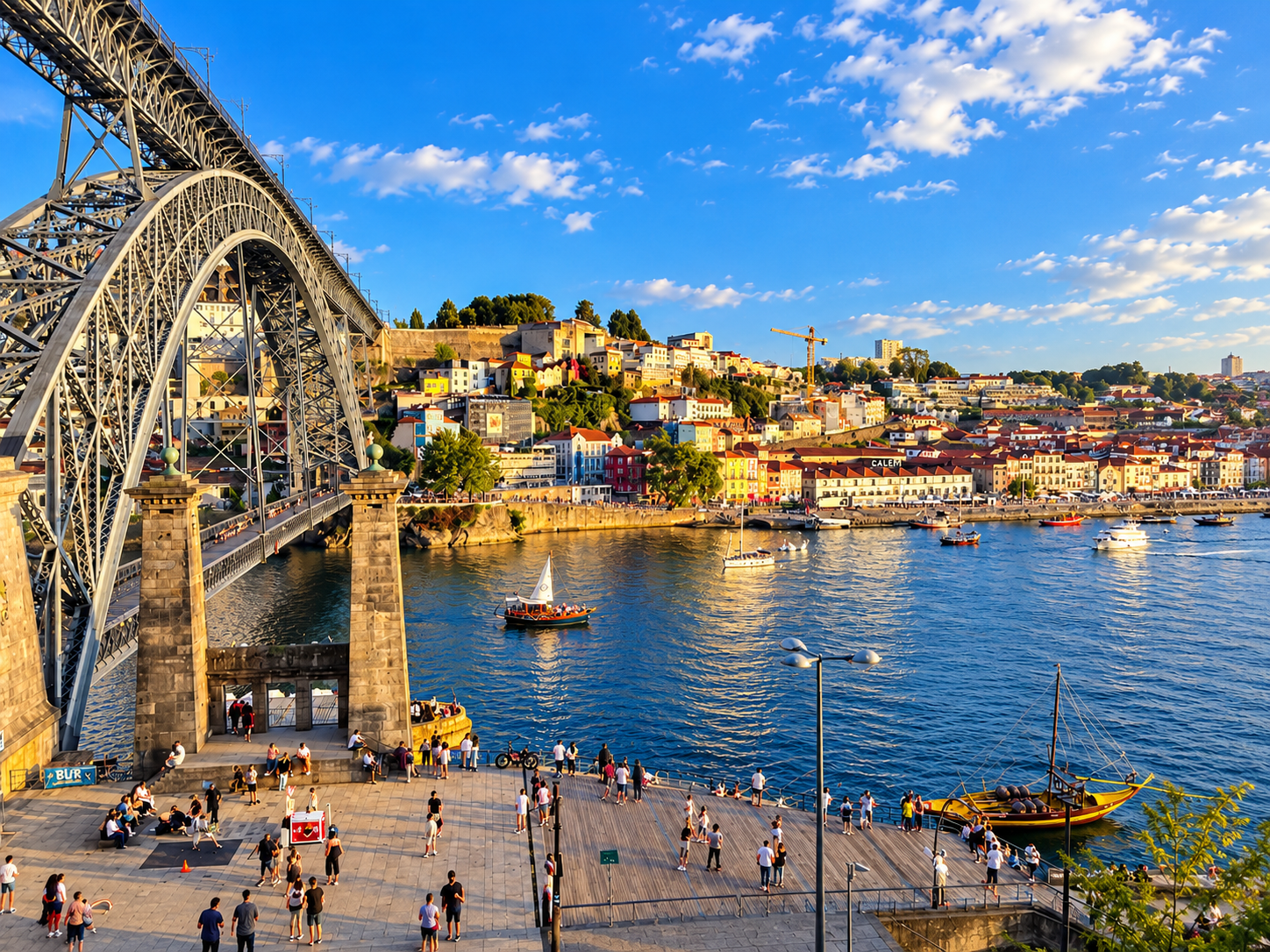
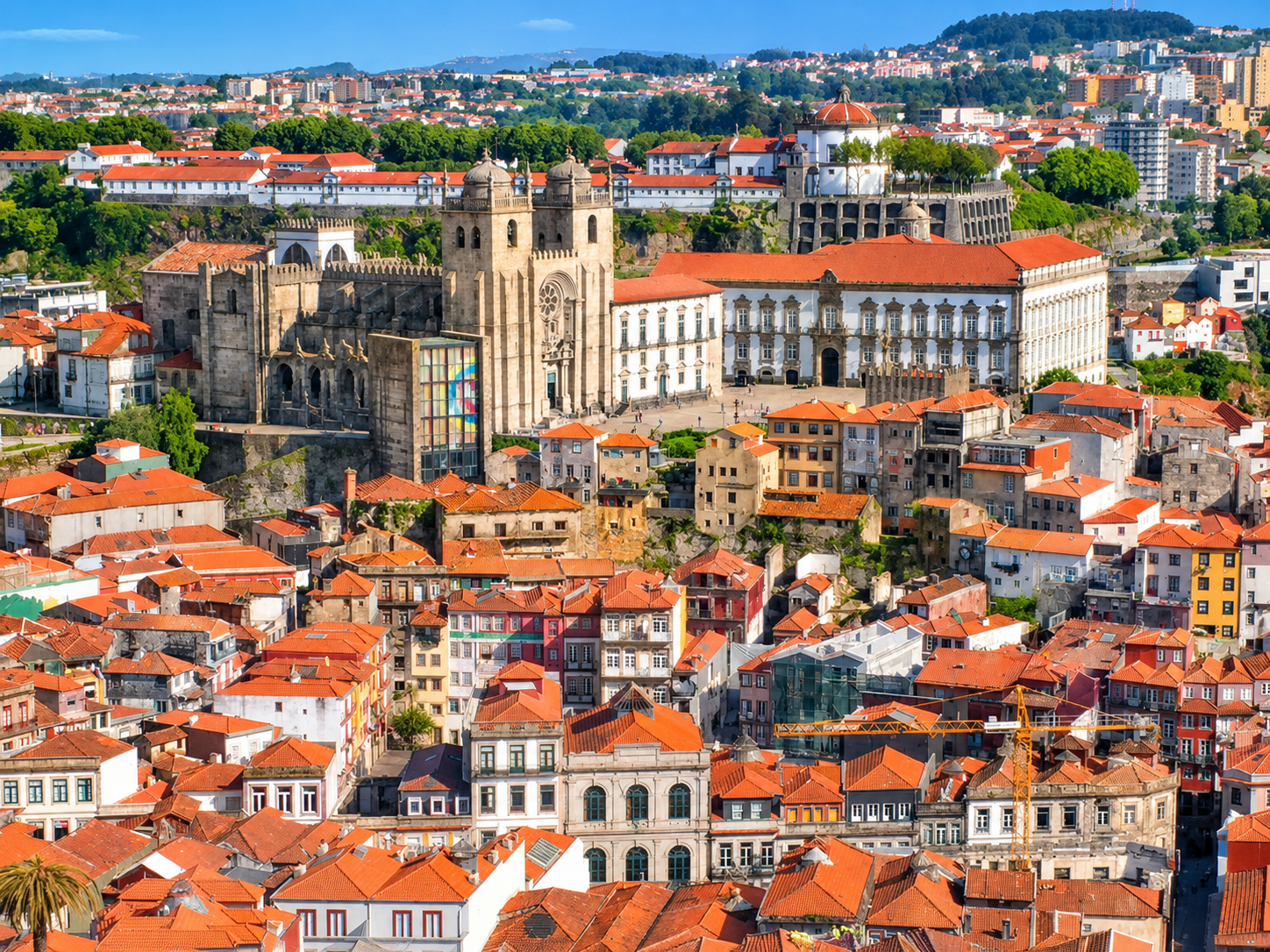
We gather in Porto, Portugal's second-largest city, where the historic center is recognized as a UNESCO World Heritage Site. Its streets, churches, and riverfront reflect centuries of maritime trade and connections with the wider world. After settling into our hotel, we'll meet our fellow travelers over dinner and introduce the journey ahead. Porto's relationship with the Douro Valley and its port-wine trade offers a fitting introduction to northern Portugal.
distance: 0 km
ascent: 0 m
descent: 0 m
% hard surfaces: 0
difficulty rating: 0
Friday, April 30, 2027 - Explore Porto
Friday, April 30, 2027 - Explore Porto
Description
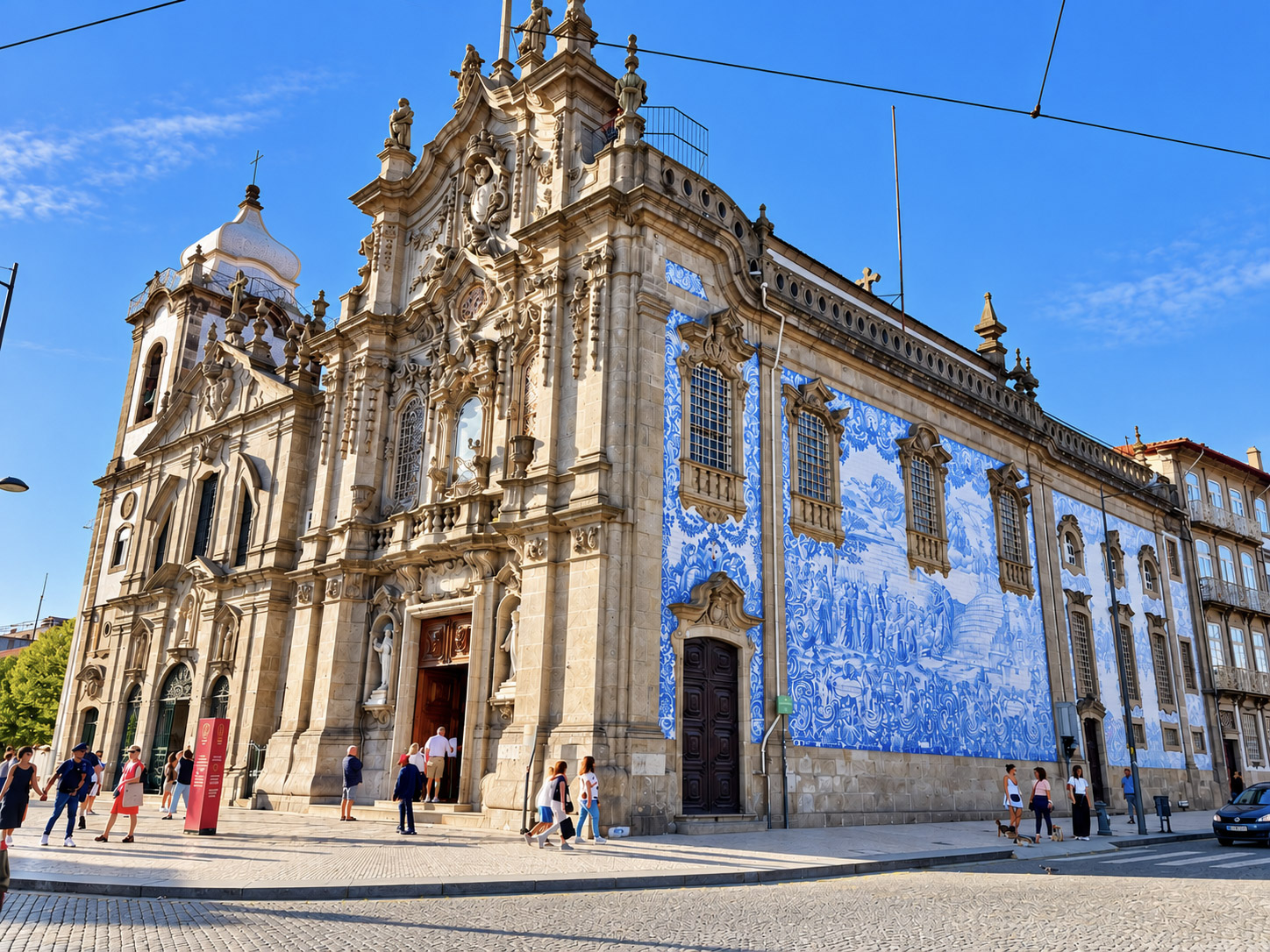
Today we explore Porto together. Possible stops include the tiled interior of São Bento railway station, the Clérigos Tower, and Livraria Lello, the city's well-known bookshop. There will also be time to discover the waterfront and Porto's long association with port wine. We'll visit the Sé Cathedral, where pilgrims traditionally begin their journey and can have their credentials stamped. The afternoon allows time for independent exploring before dinner and preparations for our first walking day.
distance: 0 km
ascent: 0 m
descent: 0 m
% hard surfaces: 0
difficulty rating: 0
Saturday, May 1, 2027 - Porto to Matosinhos - 11.3 km / 7.0 miles
Saturday, May 1, 2027 - Porto to Matosinhos - 11.3 km / 7.0 miles
Description
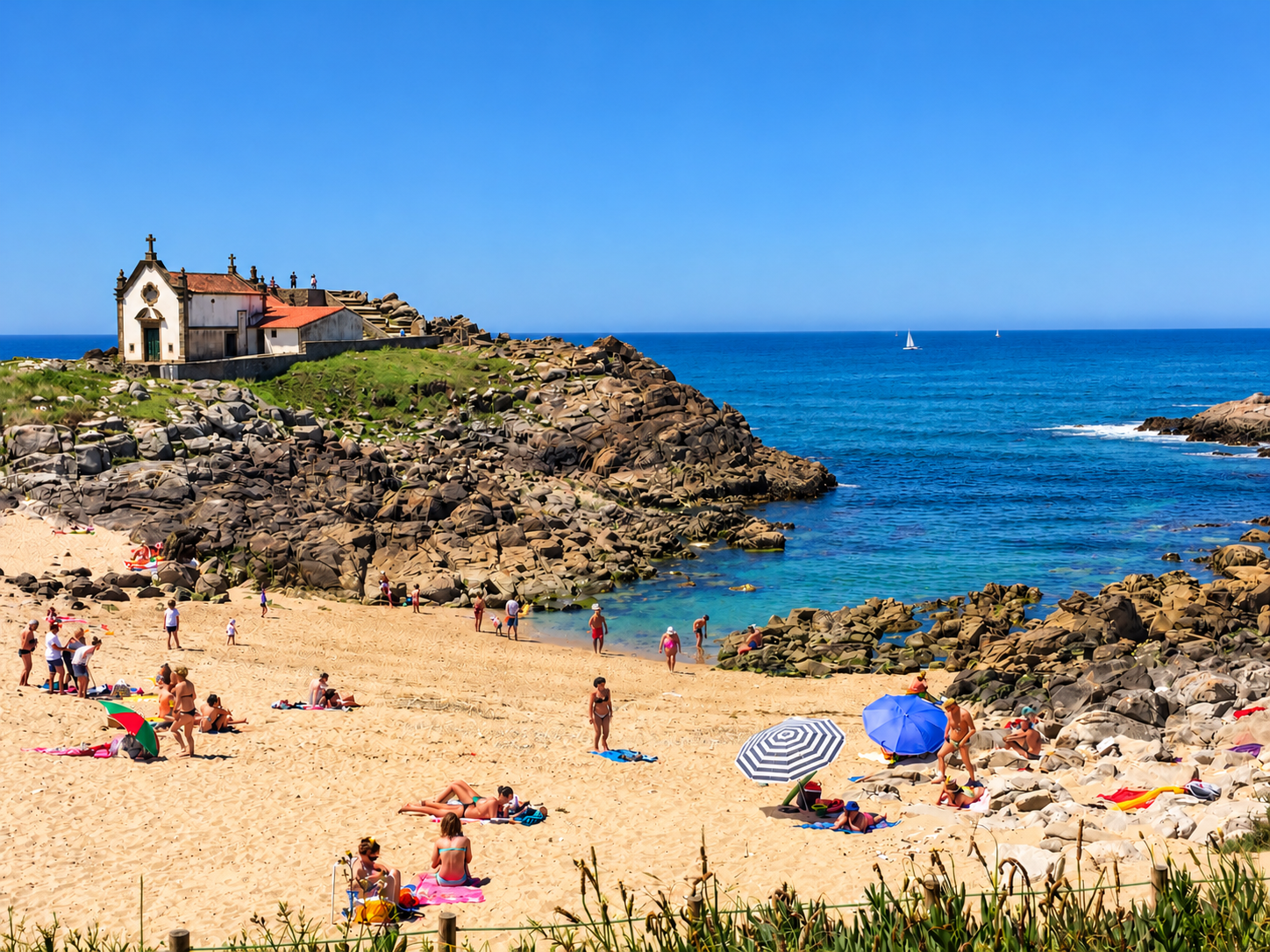
After a pilgrim blessing at Porto Cathedral, we follow the Douro River toward the Atlantic and turn north along the coast. Parks, beaches, and fortifications accompany this first, relatively short stage to Matosinhos. Matosinhos is a working port and fishing town known for its seafood. The town also has a place in local St. James traditions: a legend tells of a rider and horse emerging from the sea covered in scallop shells, a symbol closely associated with the pilgrimage.
distance: 11.3 km
ascent: 999 m
descent: 74 m
% hard surfaces: 67
difficulty rating: 8
Sunday, May 2, 2027 - Matosinhos to Vila do Conde - 22.1 km / 13.7 miles
Sunday, May 2, 2027 - Matosinhos to Vila do Conde - 22.1 km / 13.7 miles
Description
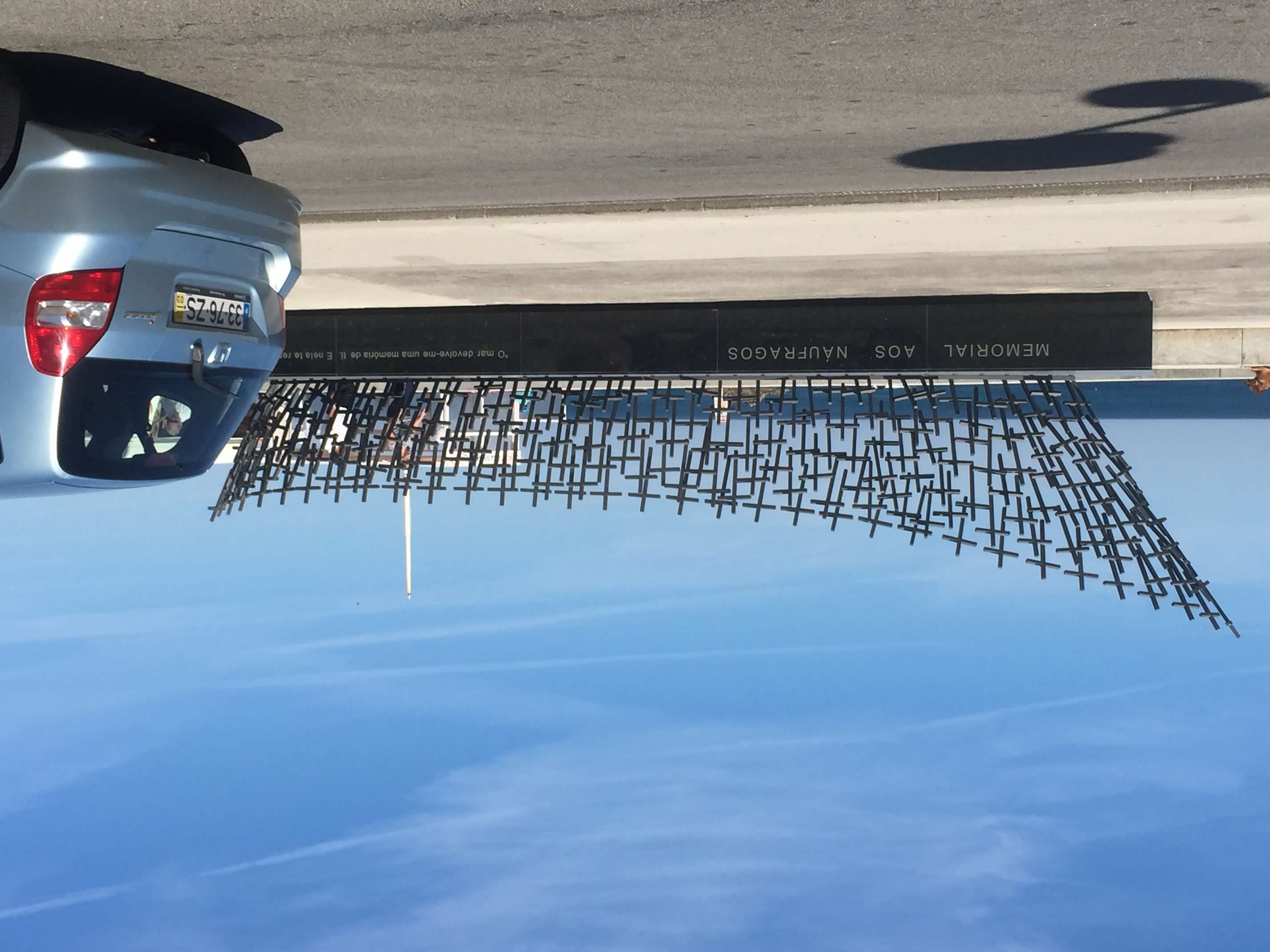
Leaving Matosinhos, we cross the Leça River and follow the Atlantic coast north. Boardwalks and seaside paths take us past fishing communities, including Angeiras, where rock-cut tanks recall the area's Roman-era fish-processing activity, and Vila Chã, with its traditional boats. We finish in Vila do Conde, a town shaped by shipbuilding and seaborne trade. Its historic center, riverfront, and surviving aqueduct provide opportunities to explore after the day's walk.
distance: 22.1 km
ascent: 247 m
descent: 833 m
% hard surfaces: 14
difficulty rating: 7
Monday, May 3, 2027 - Vila do Conde to Esposende 23.5km/14.6 miles
Monday, May 3, 2027 - Vila do Conde to Esposende 23.5km/14.6 miles
Description
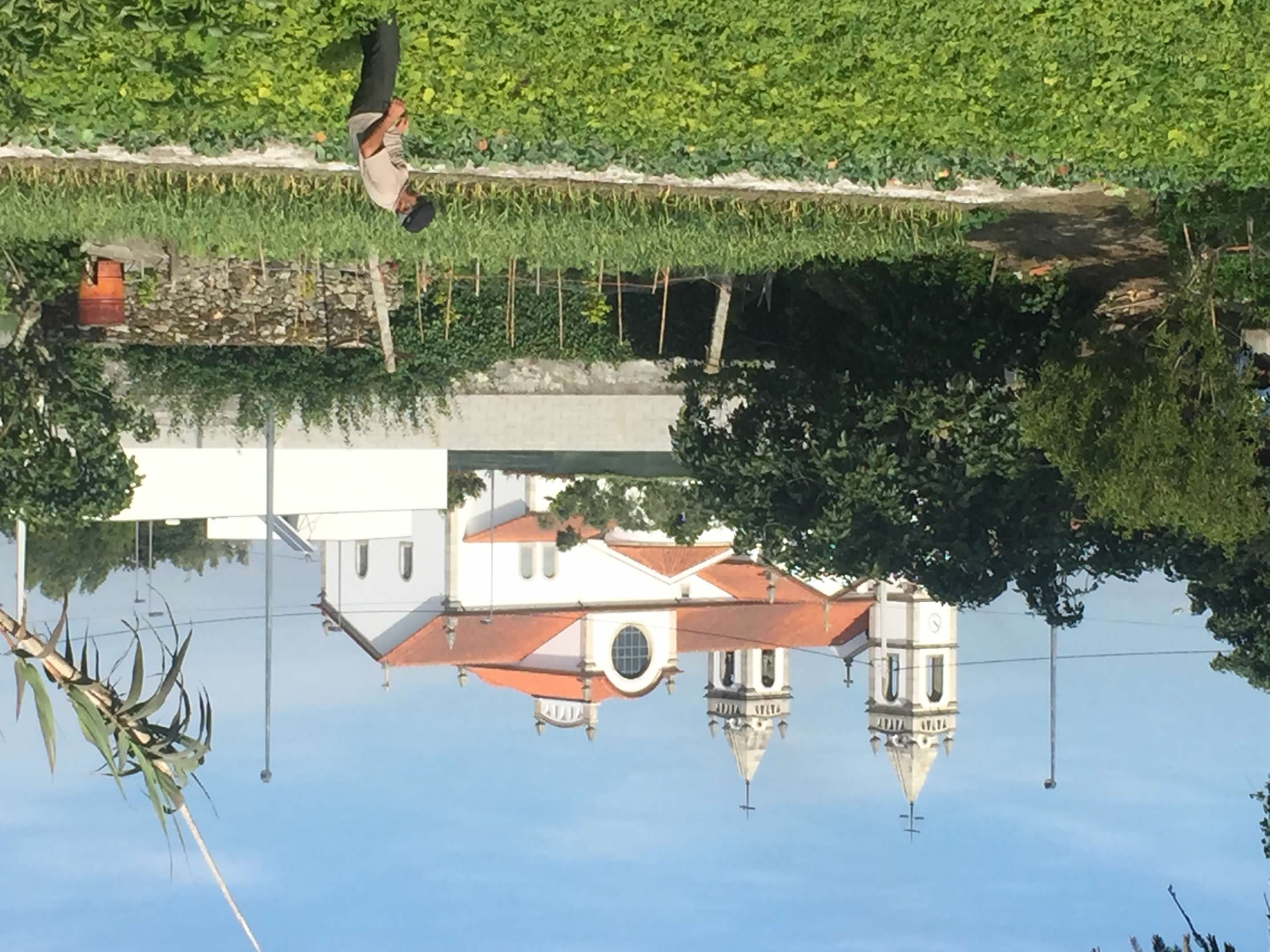
We continue north on a mixture of coastal paths, boardwalks, and streets through beach communities and small towns. Bring lunch and snacks for a day with plenty of time beside the Atlantic. Near the end of the stage we pass through Fão, known for its local clarinhas pastries, then cross the Cávado River into Esposende, where we'll spend the night.
distance: 23.5 km
ascent: 766 m
descent: 377 m
% hard surfaces: 37
difficulty rating: 8
Tuesday, May 4, 2027 - Esposende to Viana do Castelo - 12.1 km / 7.5 miles
Tuesday, May 4, 2027 - Esposende to Viana do Castelo - 12.1 km / 7.5 miles
Description
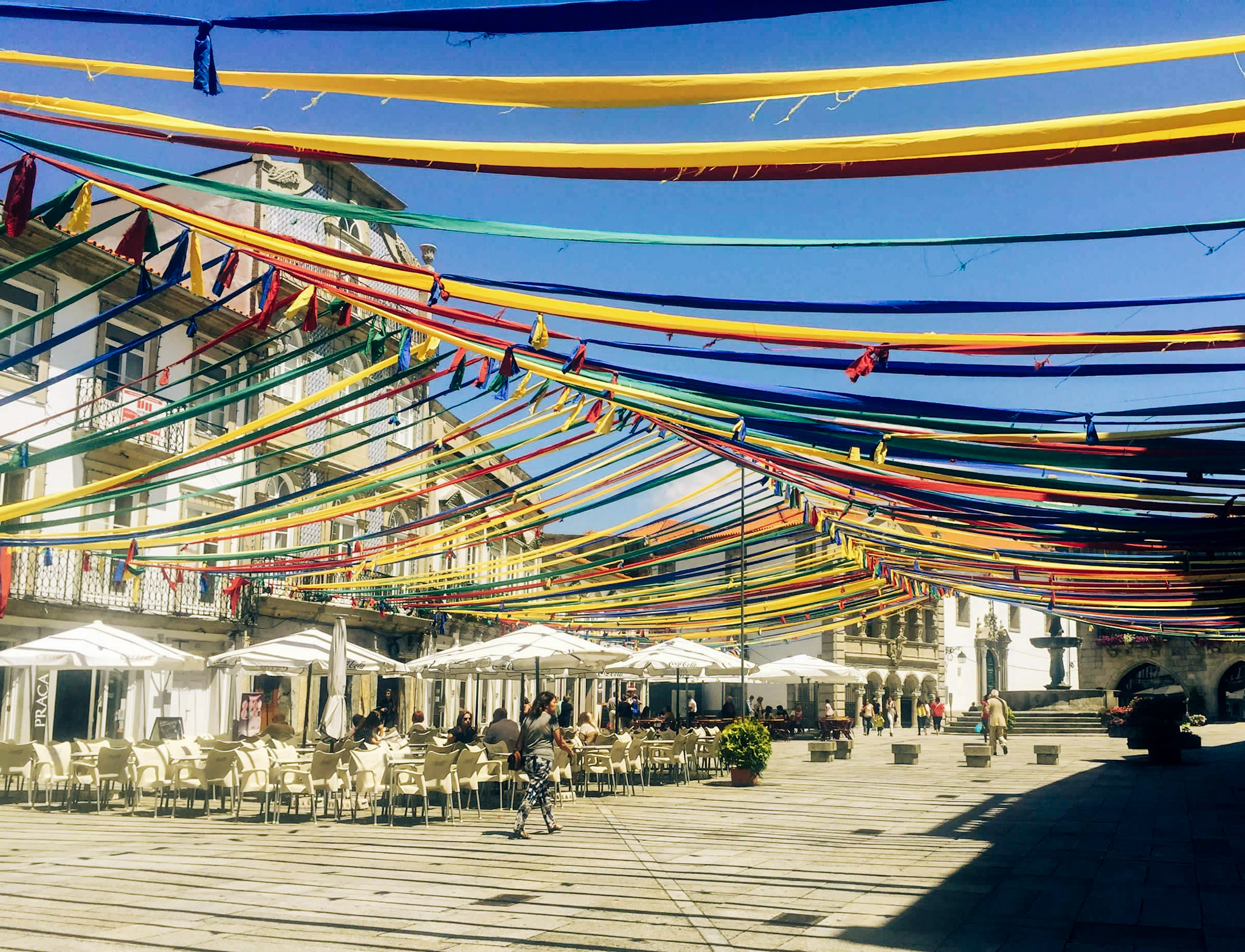
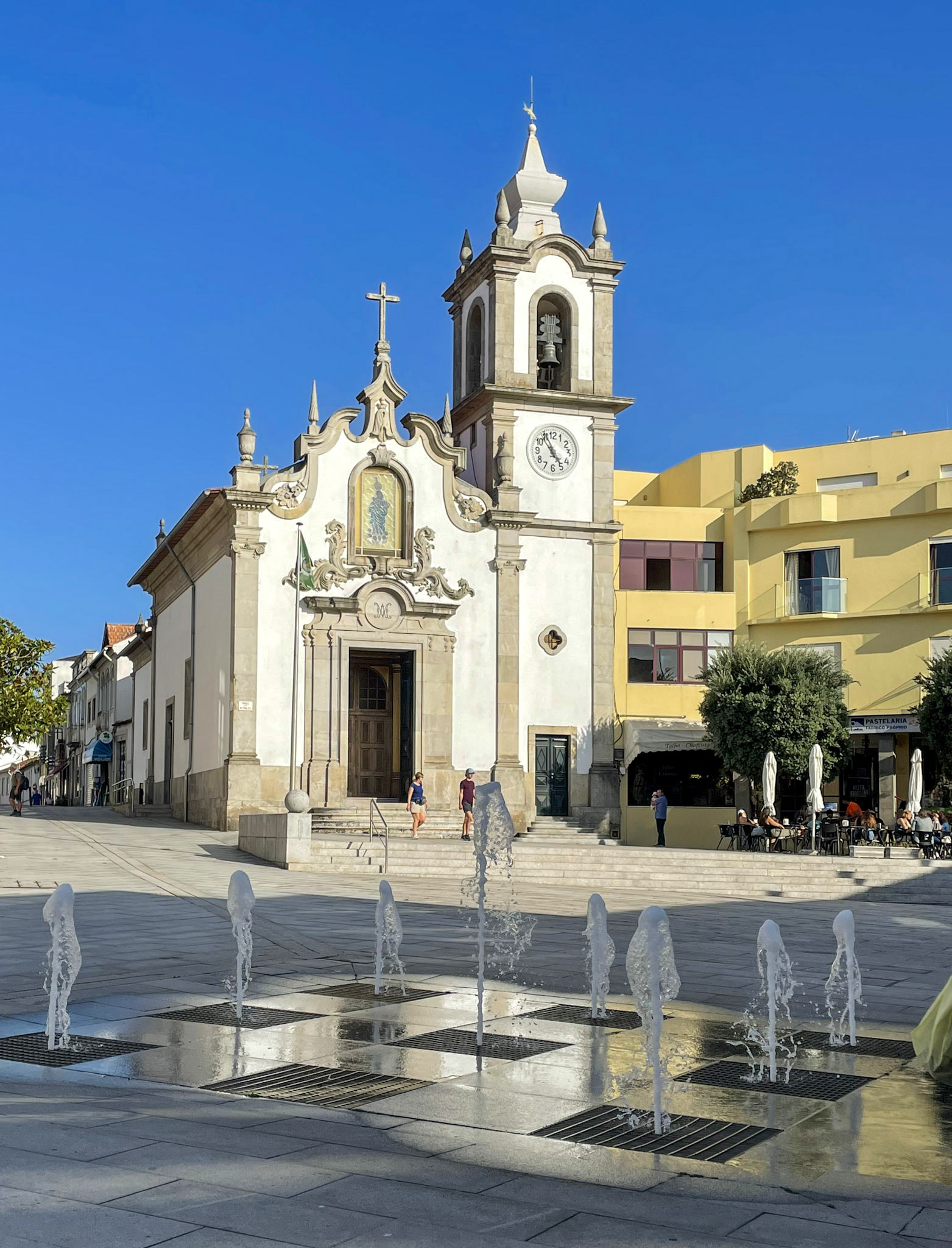
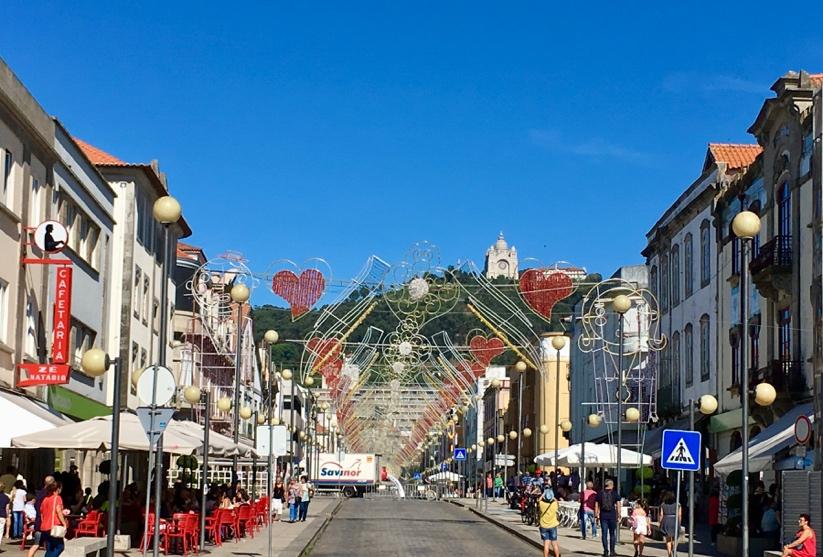
A morning transfer takes us from Esposende to the Church of Santiago at Castelo do Neiva, an early site of devotion to St. James with medieval origins. We can have our pilgrim credentials stamped before beginning a shorter walk through villages and wooded countryside toward Viana do Castelo. The afternoon is free to explore this historic port on the Lima River. You might visit the hilltop Sanctuary of Santa Luzia, take in the views over the coast, or enjoy a pastry at one of the town's cafés.
distance: 12.1 km
ascent: 493 m
descent: 489 m
% hard surfaces: 10
difficulty rating: 7
Wednesday, May 5, 2027 - Viana do Castelo to Vila Praia de Âncora - 18.3 km / 11.4 miles
Wednesday, May 5, 2027 - Viana do Castelo to Vila Praia de Âncora - 18.3 km / 11.4 miles
Description
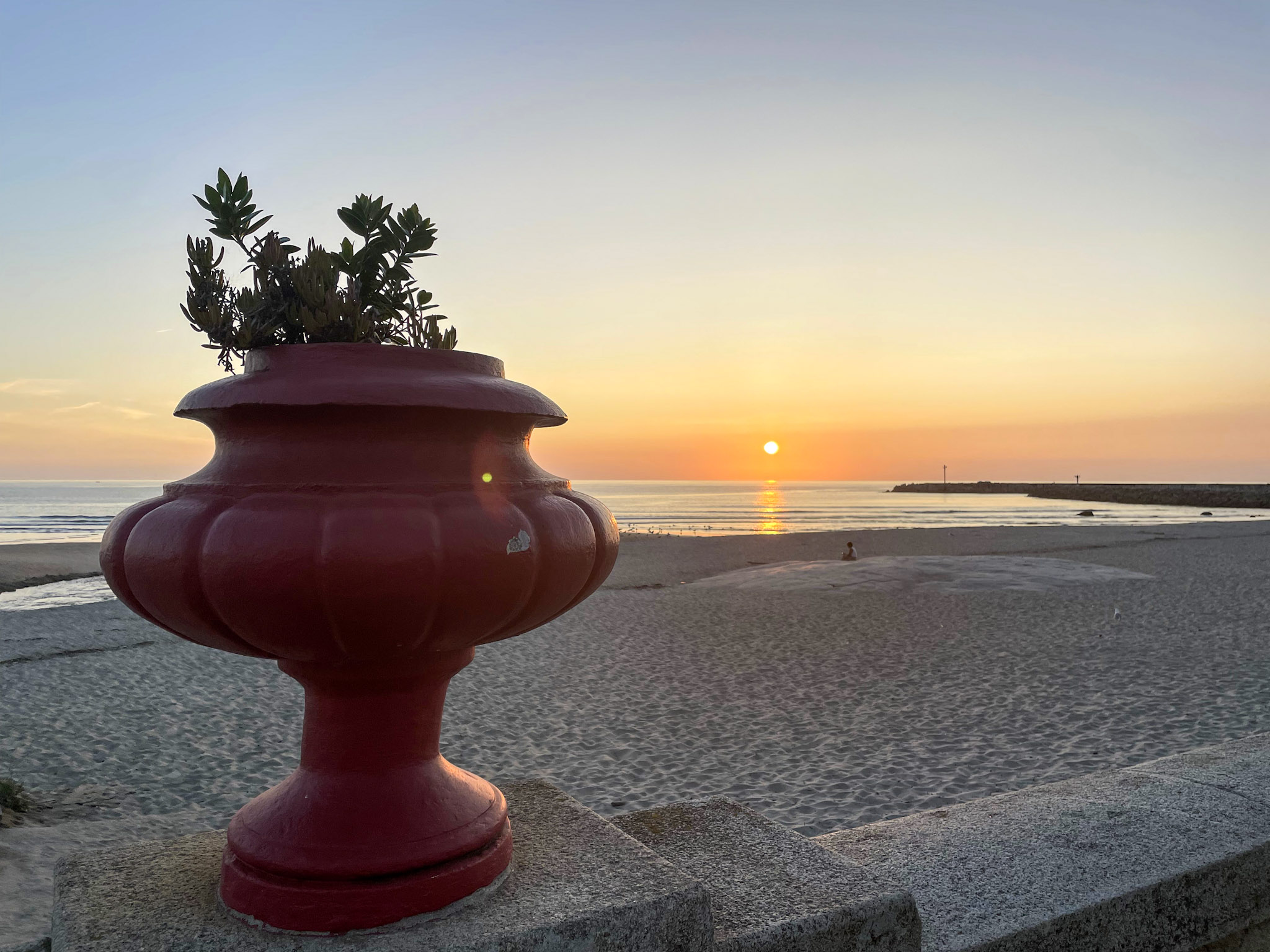
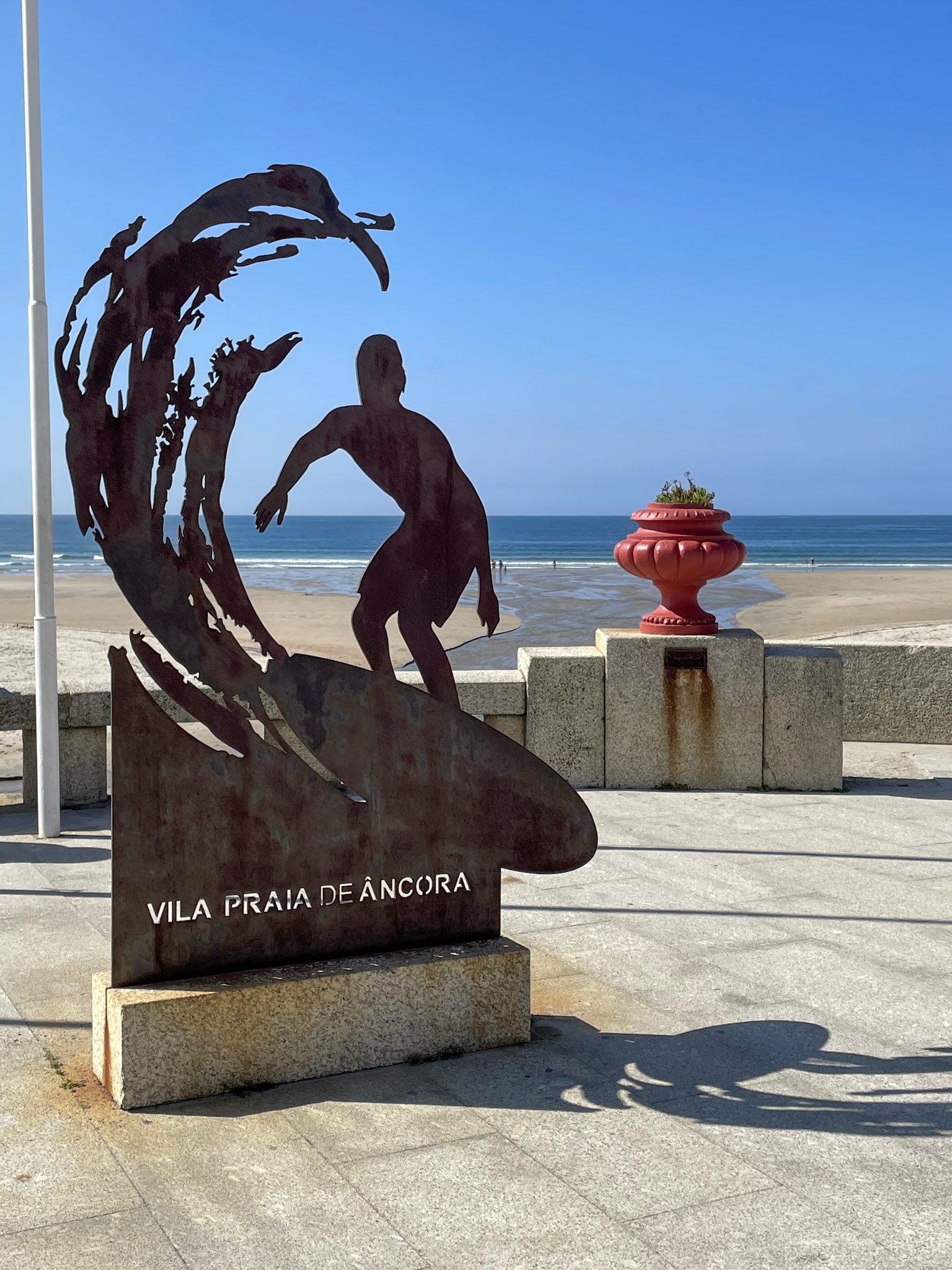
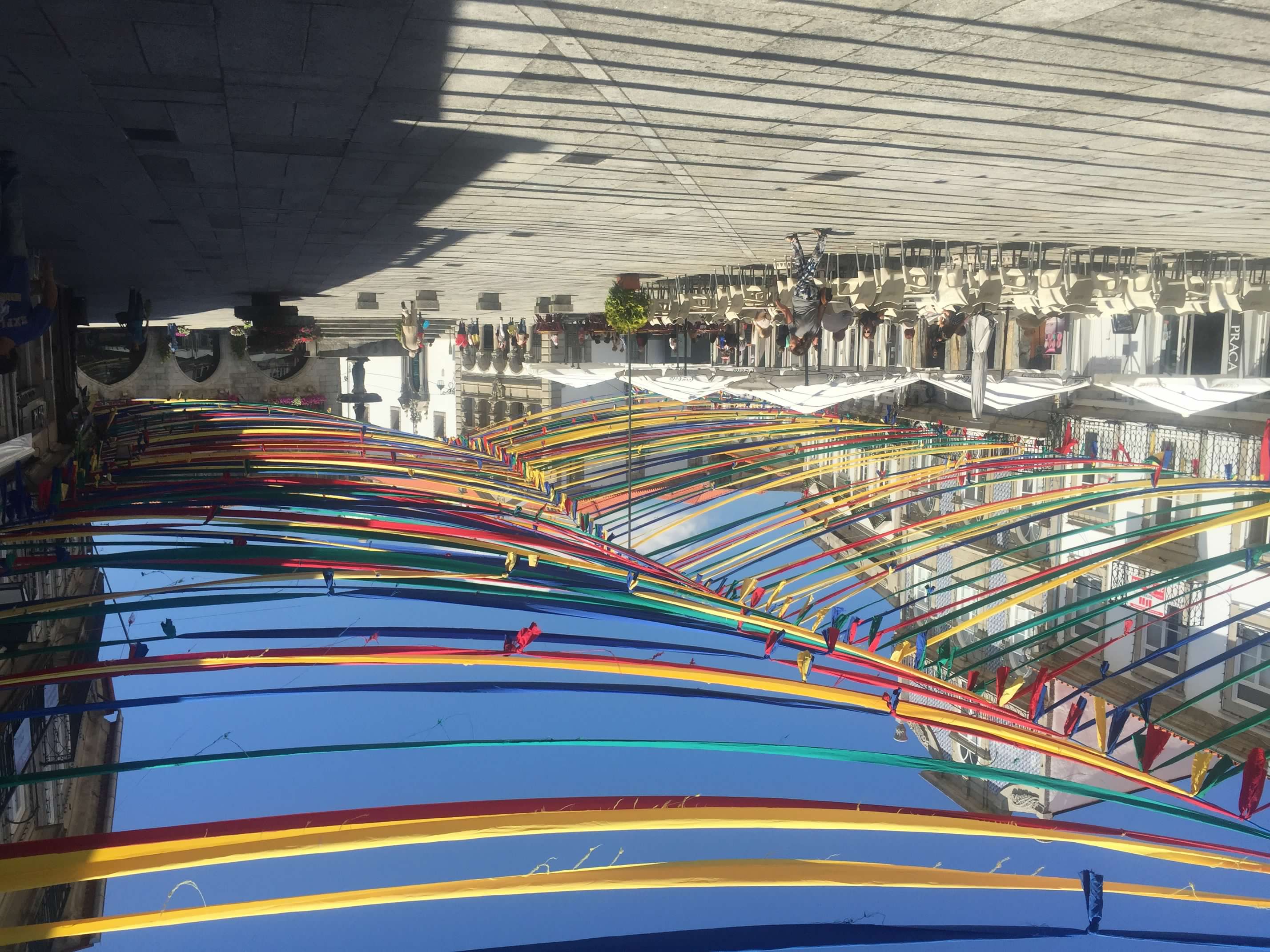
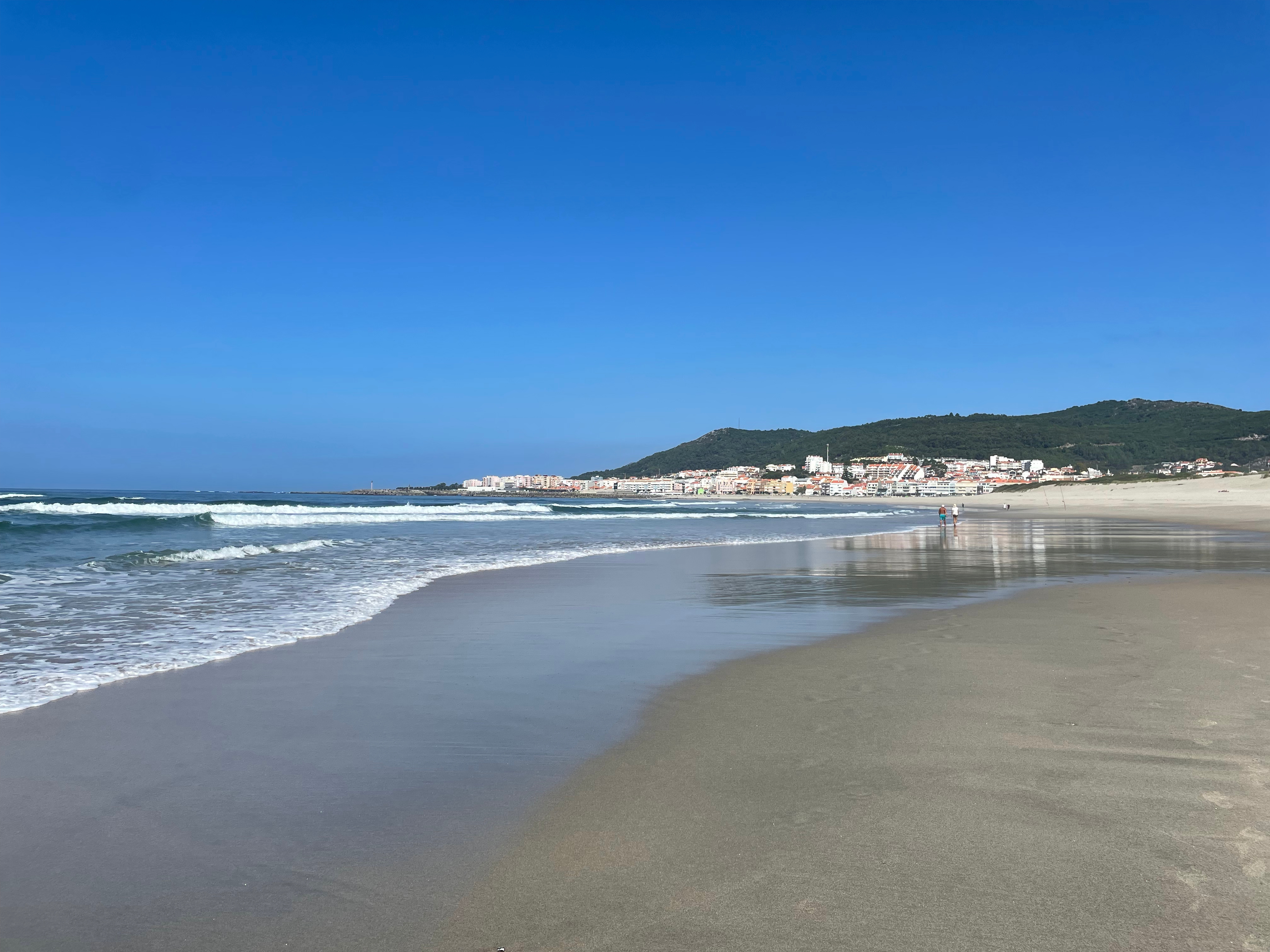
Leaving Viana do Castelo, we follow lanes and woodland paths through a landscape of villages, low hills, and occasional sea views. After a climb and descent, we reach Vila Praia de Âncora, a former fishing village with a broad sandy beach. There is time to relax by the water or explore the seafront, including the area around the seventeenth-century Forte da Lagarteira.
distance: 18.3 km
ascent: 1085 m
descent: 791 m
% hard surfaces: 7
difficulty rating: 10
Thursday, May 6, 2027 - Vila Praia de Âncora to A Guarda - 12.8 km / 7.9 miles
Thursday, May 6, 2027 - Vila Praia de Âncora to A Guarda - 12.8 km / 7.9 miles
Description
Our walk continues along the northern Portuguese coast toward Caminha, near the mouth of the Minho River. We then cross the river by boat into Galicia, Spain, and continue to A Guarda. Across the estuary, Monte Santa Trega rises above the town. If time and energy allow, you can visit its archaeological settlement, whose surviving stone structures offer a glimpse of life in the region before and during Roman times.
distance: 12.8 km
ascent: 0 m
descent: 0 m
% hard surfaces: 0
difficulty rating: 0
Friday, May 7 - A Guarda to Viladesuso 15.9km
Friday, May 7 - A Guarda to Viladesuso 15.9km
Description
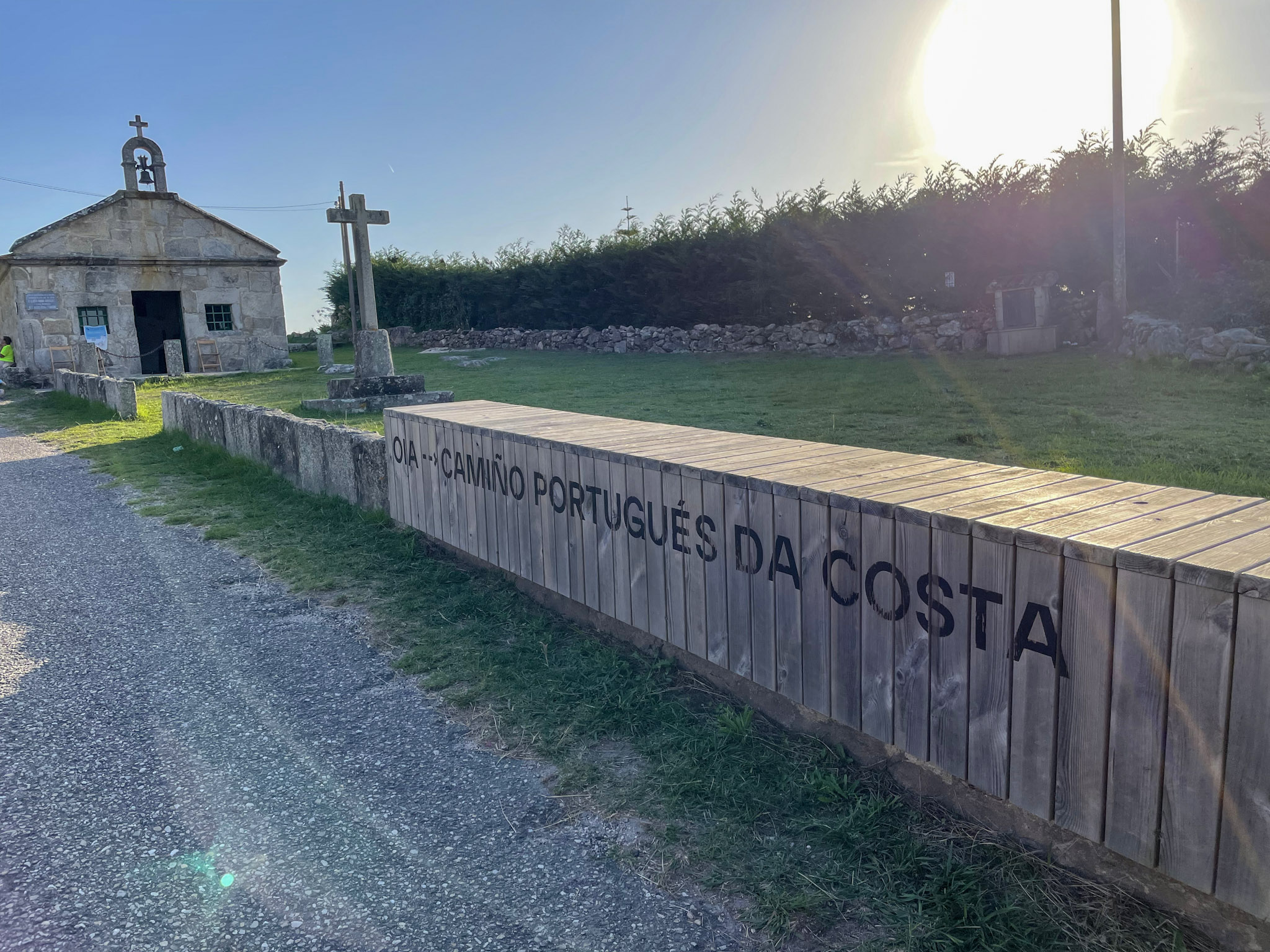
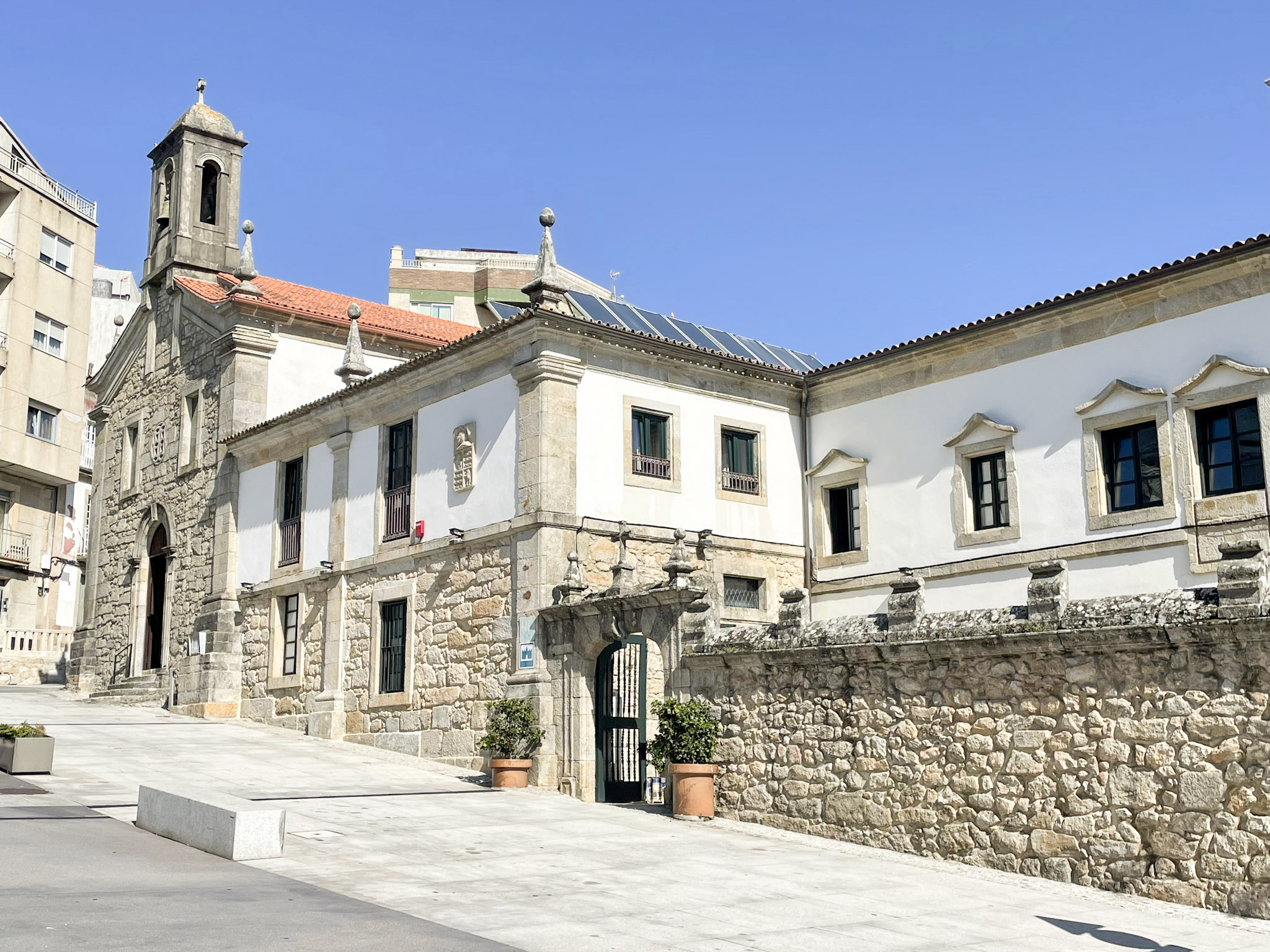
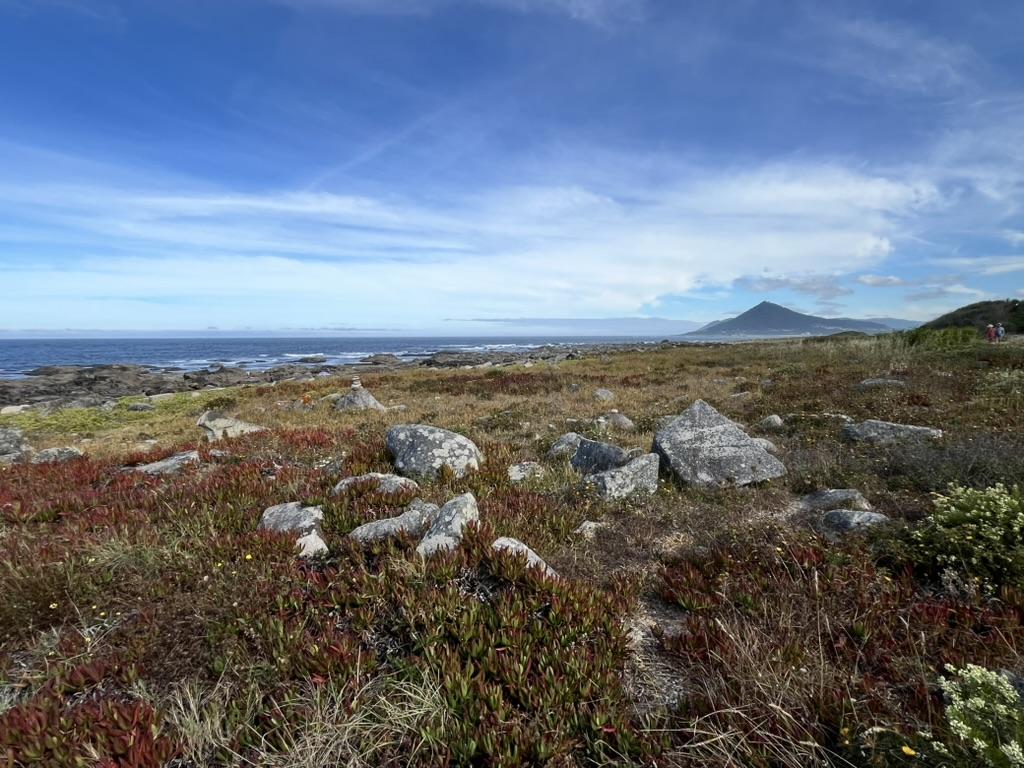
We follow Galicia's Atlantic shoreline north from A Guarda, alternating between coastal tracks, paved lanes, and paths near the sea. The day's route passes Oia, where the former Cistercian monastery of Santa María stands beside the water. From Oia we continue toward Viladesuso, with time to appreciate the fishing villages and exposed coastline that distinguish this section of the Camino.
distance: 15.9 km
ascent: 207 m
descent: 239 m
% hard surfaces: 55
difficulty rating: 4
Saturday, May 8 - Viladesuso to Baiona 13.4 miels
Saturday, May 8 - Viladesuso to Baiona 13.4 miels
Description
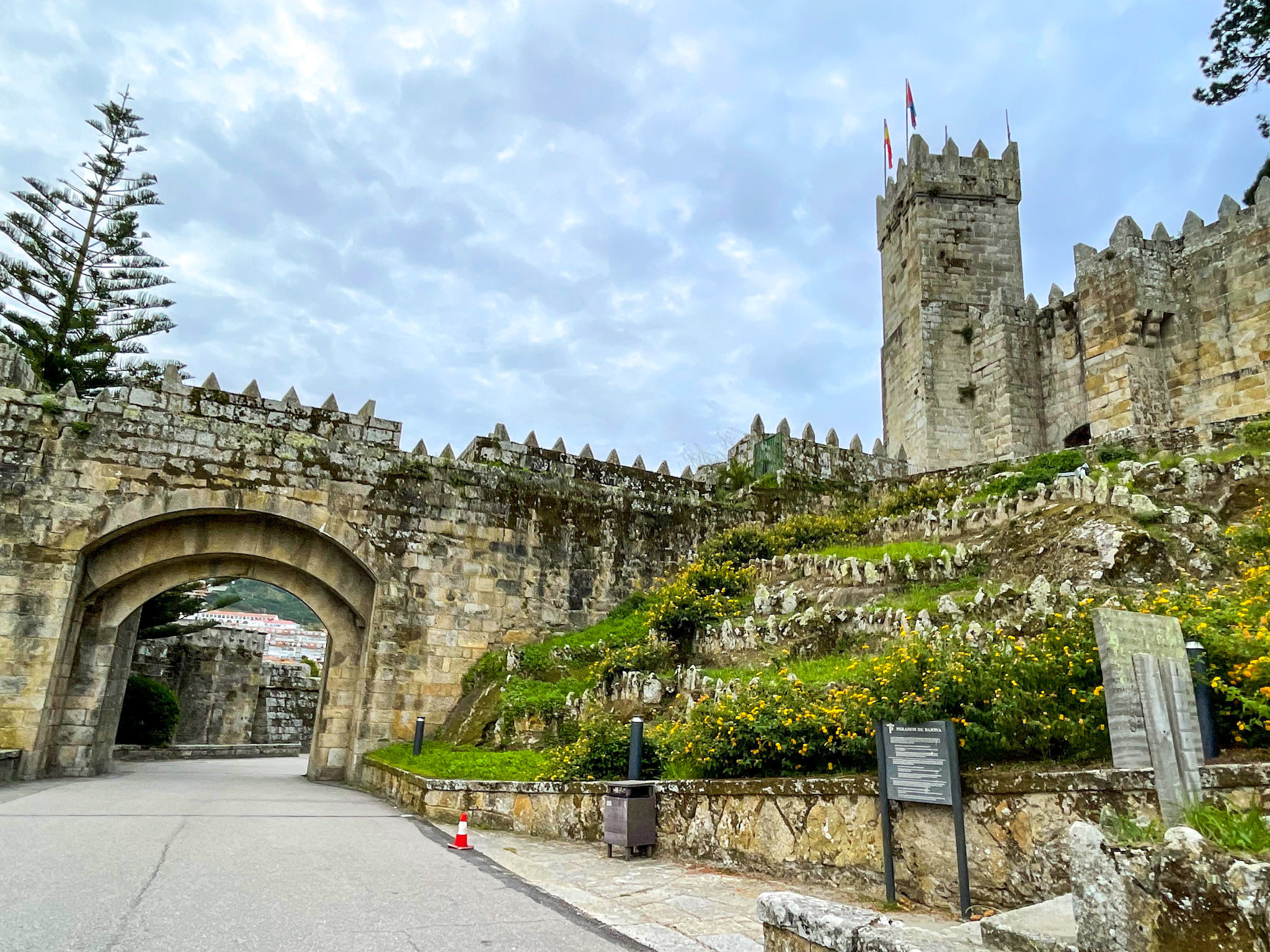
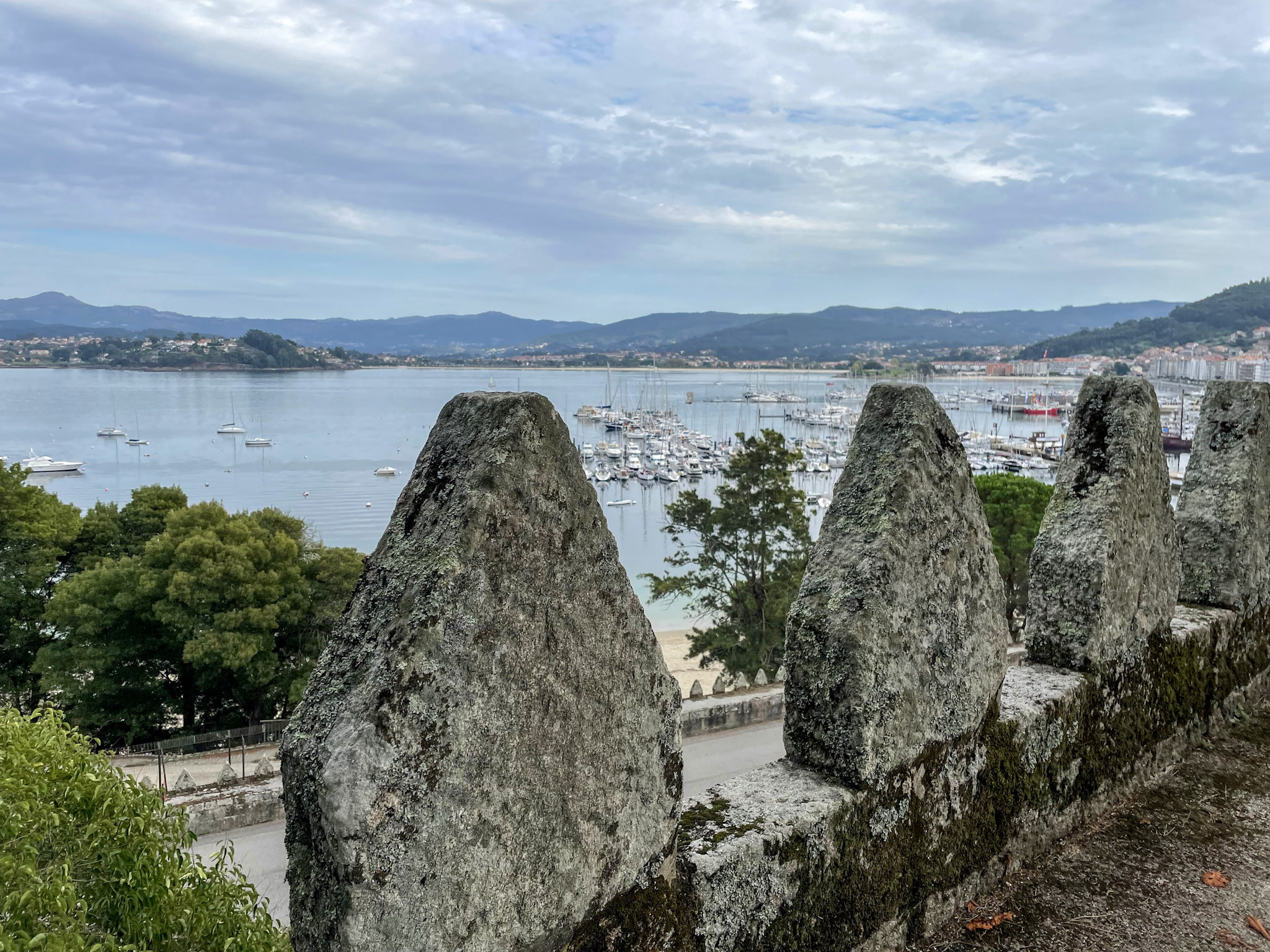
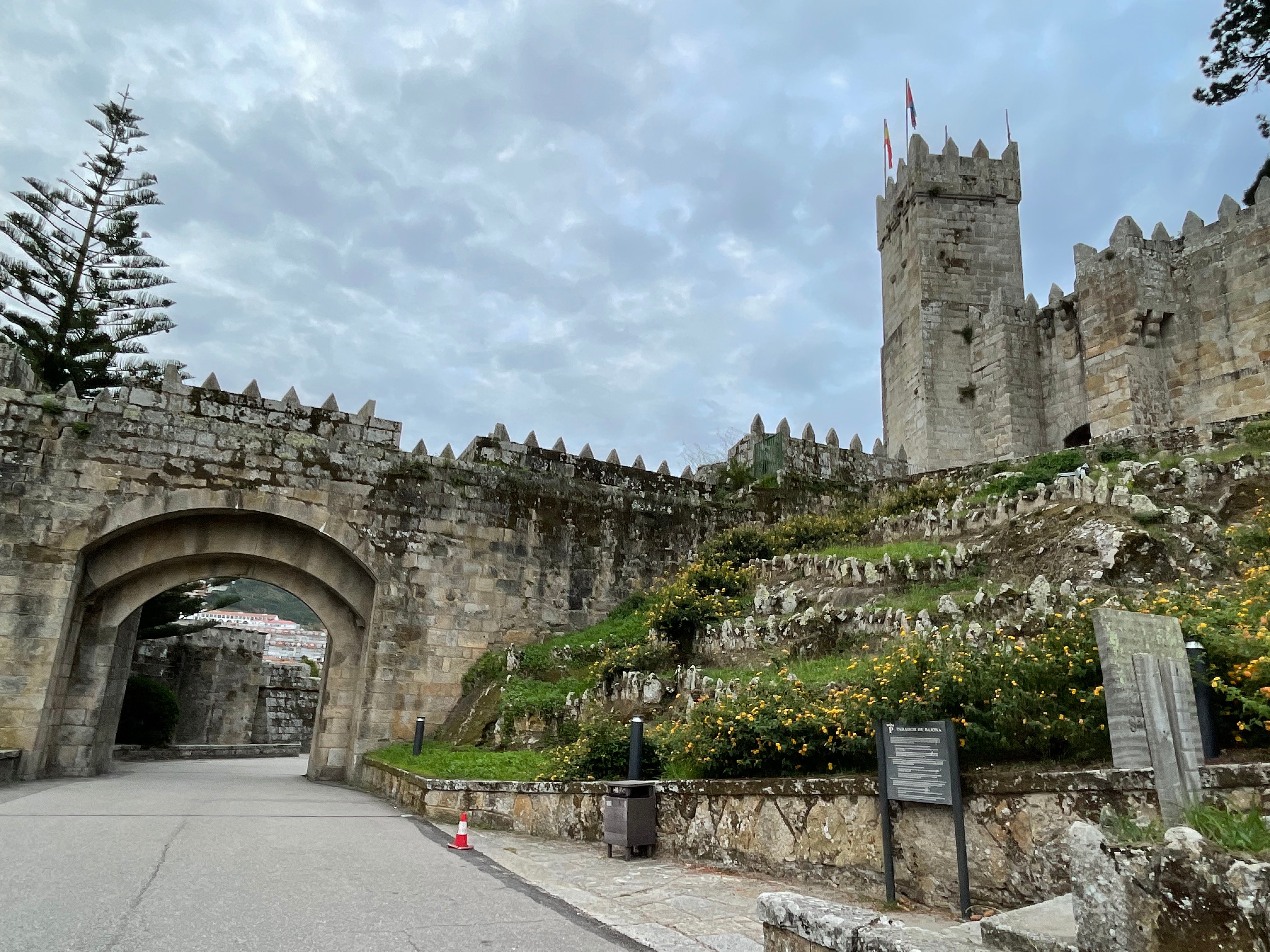
Today we walk north toward Baiona, with a choice between an inland hillside route and a coastal alternative. Both offer views of the Atlantic, though the exact distance will depend on the path chosen. Along the coast, the sea-glass beach near Cabo Silleiro is an interesting place to stop. Baiona has a long maritime history. In 1493, the caravel Pinta reached the port with news of Columbus's first voyage across the Atlantic. You can explore the harbor, the replica ship, or the walls around the Monterreal peninsula before our scheduled transfer to Pazos de Iria, near Padrón.
distance: 21.6 km
ascent: 264 m
descent: 263 m
% hard surfaces: 77
difficulty rating: 5
Sunday, May 9 - Pazos de Irìa to Raíces
Sunday, May 9 - Pazos de Irìa to Raíces
Description
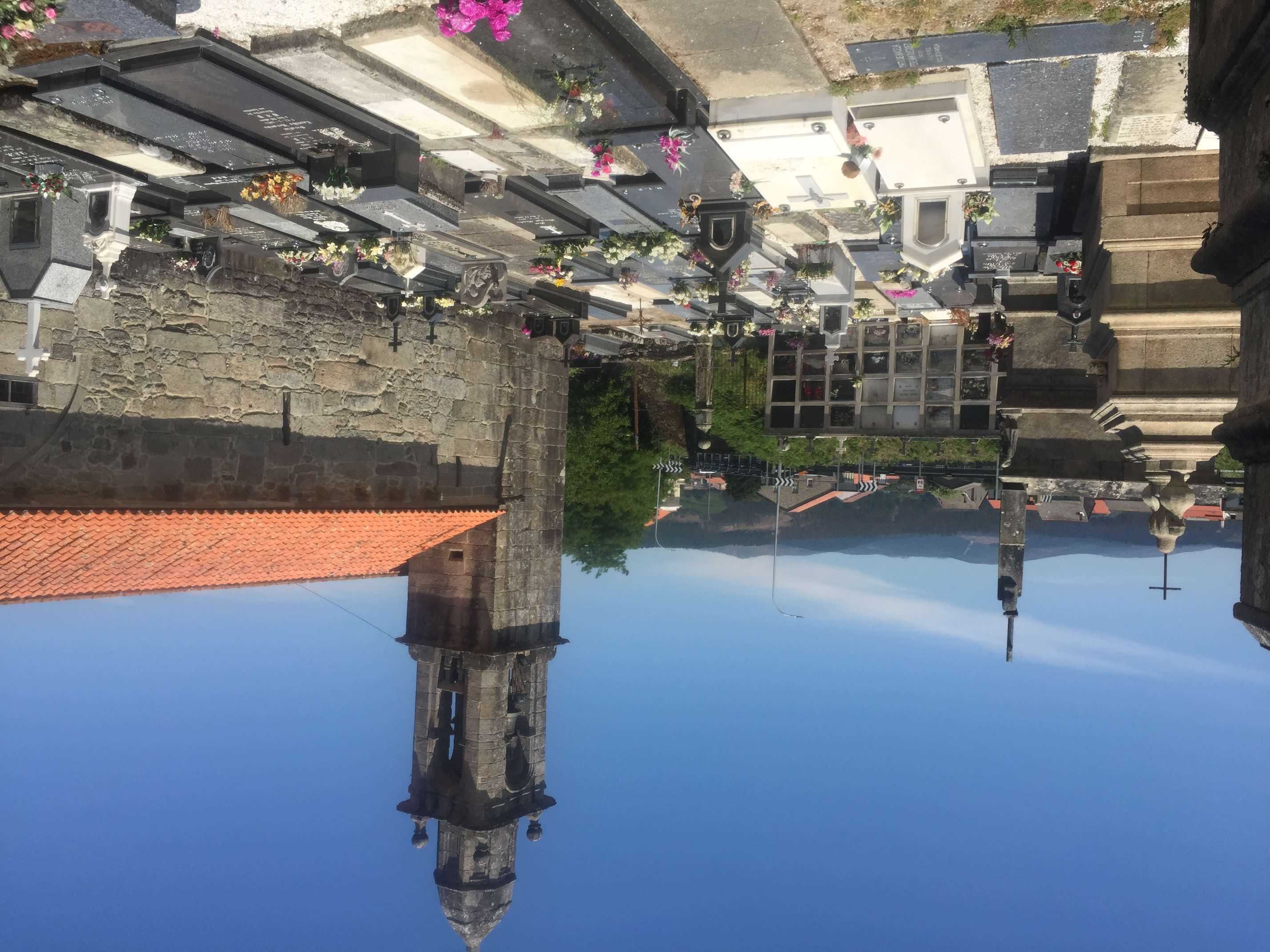
We begin near Padrón, a town closely associated with traditions about St. James. According to local tradition, the apostle preached in this area and, after his death, his remains were brought here by boat. The Church of Santiago preserves the pedrón, a Roman stone associated with that story. After time to explore the town and its pilgrimage sites, we walk through the Galician countryside toward Raíces. Padrón is also known for its small green peppers, a regional specialty worth trying.
distance: 16.6 km
ascent: 237 m
descent: 80 m
% hard surfaces: 86
difficulty rating: 5
Monday, May 10 - Raíces to Santiago de Compostela
Monday, May 10 - Raíces to Santiago de Compostela
Description
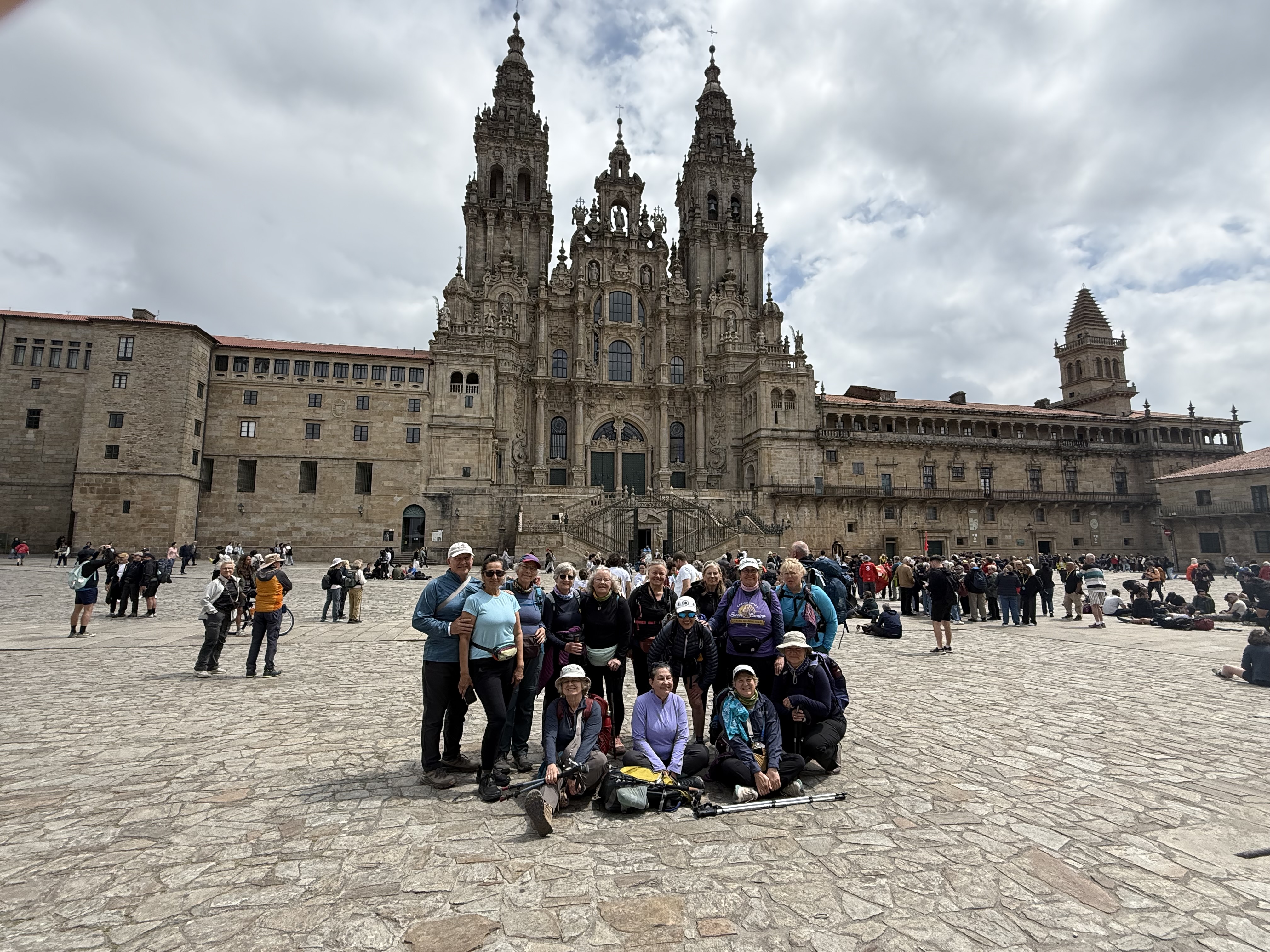
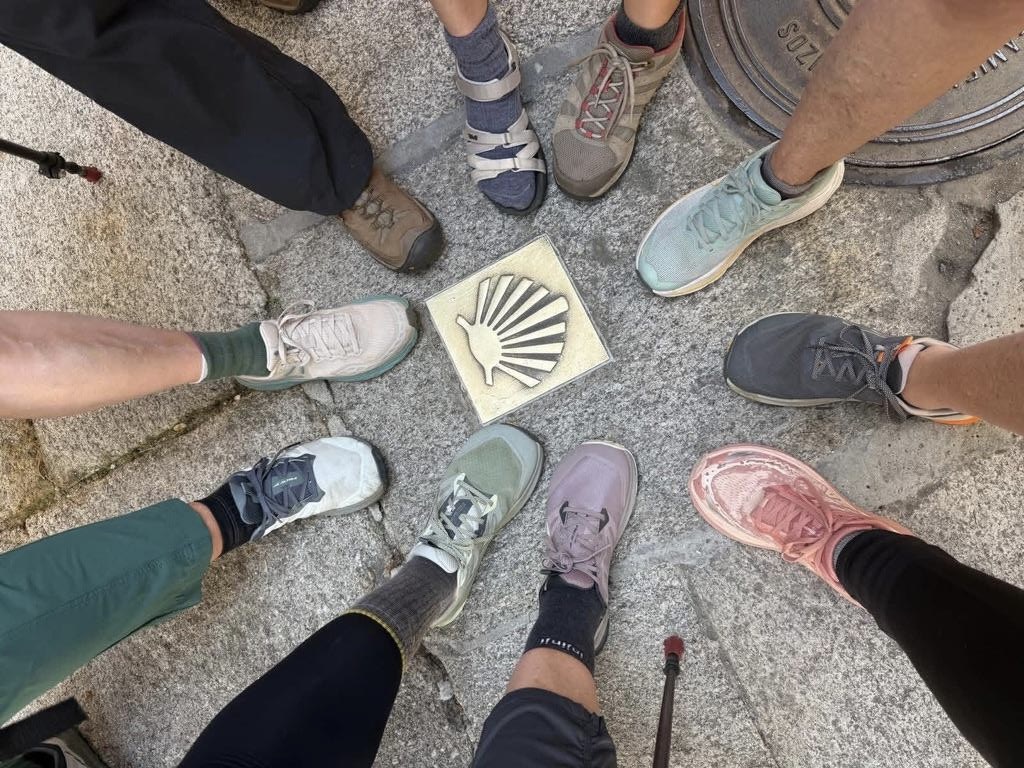
Our final walking stage leads through wooded paths and the approaches to Santiago de Compostela. Entering the historic center, we make our way to the cathedral and gather in Praza do Obradoiro, where pilgrims celebrate the end of their journeys. The year 2027 is a Jacobean Holy Year, when the feast of St. James falls on a Sunday. The cathedral's Holy Door is traditionally opened for the occasion, subject to cathedral arrangements. Those who meet the pilgrimage requirements may collect a Compostela at the Pilgrim Reception Office. Santiago has welcomed pilgrims for more than a thousand years. Its medieval growth, particularly under Archbishop Diego Gelmírez, helped establish the city as a major pilgrimage destination. Pilgrim Reception Office: https://oficinadelperegrino.com/ Cathedral information and Mass schedule: https://catedraldesantiago.es/
distance: 9.8 km
ascent: 189 m
descent: 97 m
% hard surfaces: 79
difficulty rating: 3
Explore Santiago de Compostela
Explore Santiago de Compostela
Description
Today is free for further exploration of Santiago. You may wish to attend Pilgrim Mass, tour the cathedral, visit local shops, or spend time in the cafés around the old town. The Botafumeiro is used on designated occasions and cannot be assumed to operate at every Mass. In the evening, we come together for a farewell dinner and a chance to reflect on the places we've visited and the people we've met along the way.
distance: 0 km
ascent: 0 m
descent: 0 m
% hard surfaces: 0
difficulty rating: 0
Depart Santiago de Compostela
Depart Santiago de Compostela
Description
After breakfast, our time together comes to an end. Whether you're returning home or continuing your travels, we hope the landscapes, conversations, and shared experience of walking the Camino will stay with you. Buen Camino!
distance: 0 km
ascent: 0 m
descent: 0 m
% hard surfaces: 0
difficulty rating: 0
What we provide
- Hosted by Pilgrim Paths leader Joyce DeToni-Hill
- All 13 nights accommodation
- Private rooms and private baths
- All breakfasts and dinners
- Luggage transport (<38 lbs)
- Water and taxi transfers May 4, 6, 8
- Assistant host Denise Simoneau
- E-guidebook, credential, and navigation app
What you provide
- Transportation to and from the journey
- Lunches and snacks each day
- Gratuity servers and transport
- Adequate fitness to walk 15-25km/day
- Incidental expenses
- Personal travel and medical insurance